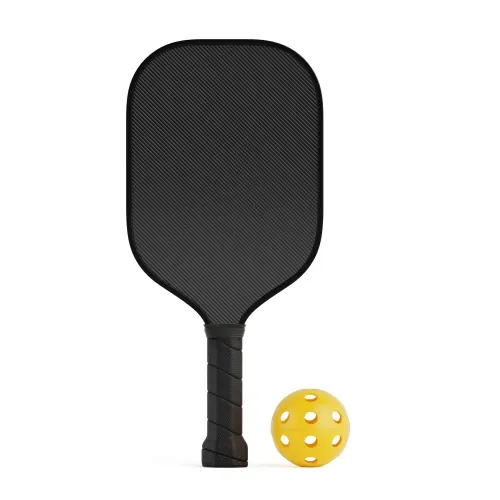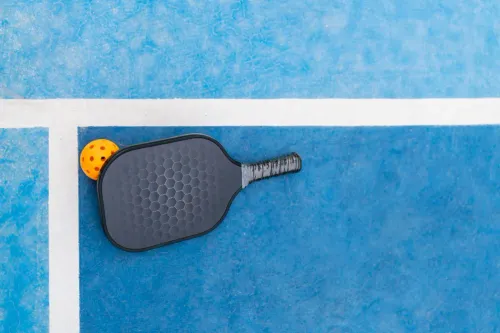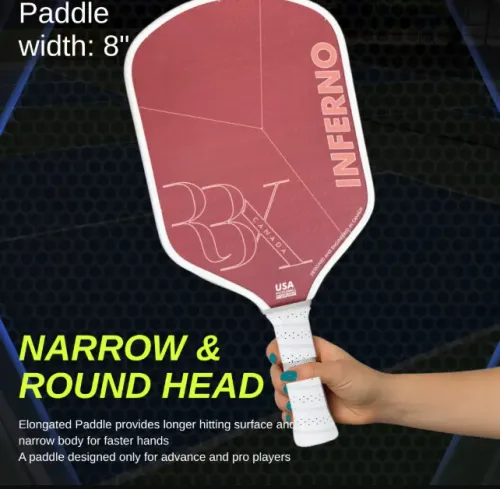


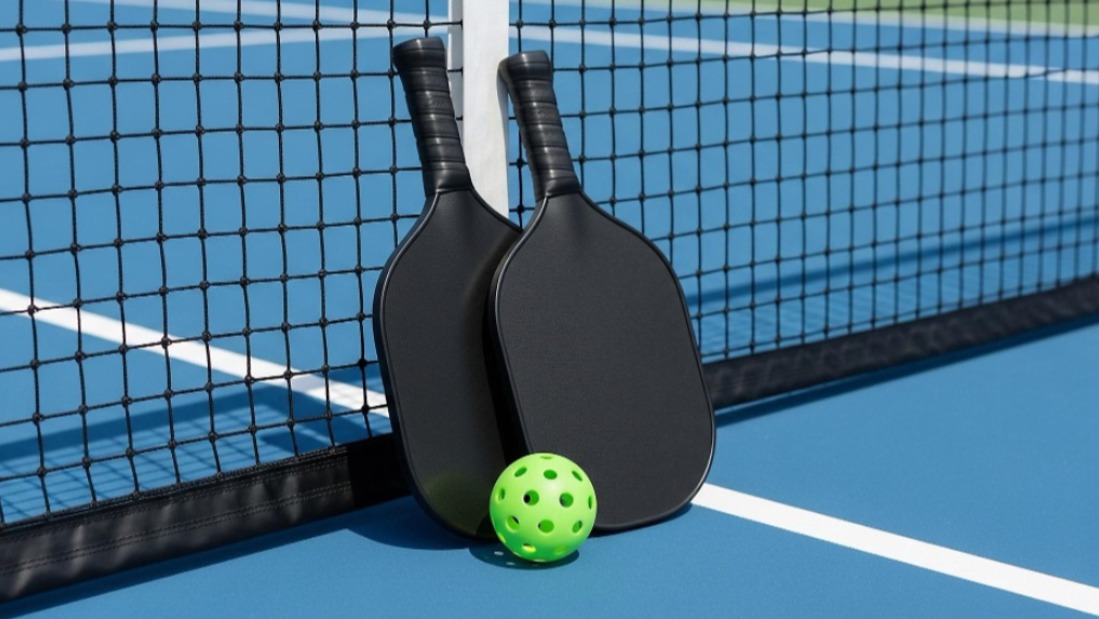
Competitive pickleball training places different demands on equipment from occasional recreational play. Players repeat specific shots, analyse small errors and need predictable feedback from their equipment. This makes carbon fiber pickleball paddles particularly interesting for athletes building a more structured training routine.
The material itself is not a guarantee of competitive performance, but it can form part of a well-matched setup.
Consistency Matters in Training
Competitive development depends on repeatable execution.
Players may practise hundreds of repetitions involving:
- Third-shot drops
- Dink patterns
- Resets
- Serve returns
- Counters
- Drives
- Transition-zone defence
When paddle response feels predictable, it becomes easier to evaluate technique.
Carbon fiber constructions are often considered by players who value this controlled, stable sensation.
Soft-Game Development
As pickleball skill increases, the ability to slow down a rally becomes increasingly important.
A player cannot rely entirely on hard drives.
Drops, dinks and resets require touch and confidence. The paddle should allow the player to execute these movements without feeling excessively unpredictable.
Carbon fiber faces can be attractive in this context, although core construction and paddle thickness remain important.
Offensive Training Still Matters
Choosing a control-oriented paddle does not mean abandoning power.
Competitive players need the ability to attack high balls, accelerate drives and counter aggressively.
The question is whether the paddle provides enough offensive capability without reducing confidence during softer exchanges.
Players should therefore evaluate the complete paddle rather than assuming carbon fiber means only defensive or control-oriented play.
Spin Development
Competitive athletes often incorporate topspin, slice and roll shots into point construction.
Surface characteristics can influence how the paddle interacts with the ball, but technique remains the foundation.
A good training programme develops swing path, contact position and timing rather than expecting equipment to manufacture spin.
Paddle surface should complement those mechanics.
Manoeuvrability During Fast Exchanges
High-level doubles can involve extremely quick hand battles near the kitchen.
A paddle that feels cumbersome can make counters and blocks more difficult.
This is why competitive buyers should evaluate balance and swing characteristics alongside material.
A carbon fiber paddle that is comfortable during baseline drives should also remain manageable during rapid net exchanges.
Training Volume Changes Comfort Requirements
Players training several days per week spend considerably more time holding a paddle than casual users.
Small comfort issues can therefore become more noticeable.
Grip dimensions, handle shape and weight deserve careful attention.
Athletes should avoid selecting a paddle solely for theoretical performance if it becomes uncomfortable during extended sessions.
Competition Approval
Competitive players must also consider equipment eligibility.
If a paddle will be used in sanctioned competition, the exact model should satisfy applicable requirements.
Do not assume that surface material determines approval.
Verification should be model-specific.
Equipment Needs for Delhi Academies
As pickleball develops in Delhi and the broader regional sports community, academies and coaches may need equipment for different purposes.
Beginner instruction can require forgiving, accessible paddles. Competitive trainees may want more specific configurations. Coaches may also need multiple ball sets for repetitive drills.
A specialised equipment provider should therefore understand that academy purchases are not simply larger versions of individual purchases.
RBXSports works with the pickleball segment in Delhi, including paddles and balls suited to different customer categories. Competitive players and coaches can evaluate carbon fiber options according to training objectives, playing style and approval requirements.
Signs You Are Ready to Upgrade
A player may be ready to consider a more specifically matched paddle when:
- Their playing style has become clear.
- They can identify limitations in their current paddle.
- They train consistently.
- They participate in competitive matches.
- They understand their preferred weight and grip.
- They can distinguish between control and power characteristics.
- Their current equipment no longer supports their intended development.
An upgrade should solve a defined problem rather than simply follow a trend.
Build Equipment Around Training Goals
A control-focused doubles player may prioritise a different carbon fiber configuration from an aggressive singles player.
Likewise, a coach purchasing paddles for academy use may favour versatility over highly specialised characteristics.
Define the training goal first and evaluate equipment second.
Carbon fiber pickleball paddles can fit naturally into competitive development when their characteristics align with the athlete's technique. The strongest buying decision is therefore not carbon fiber is better, but this particular paddle supports the way I train and compete.
That distinction helps players invest in equipment for practical reasons rather than material hype.