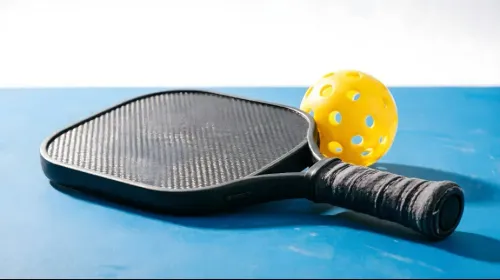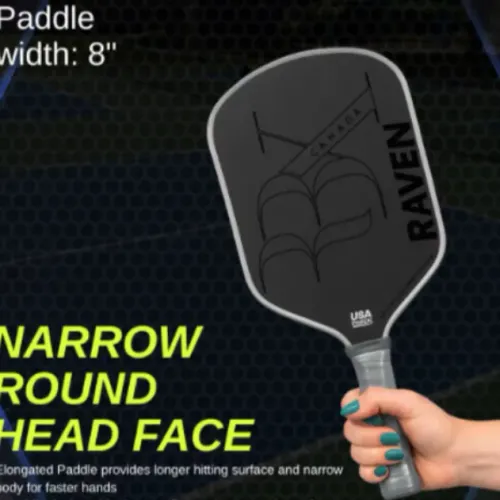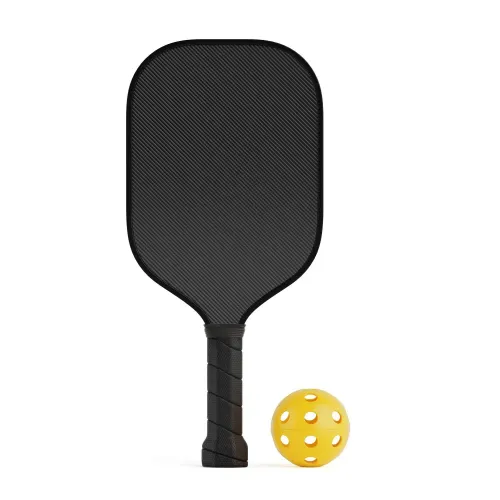


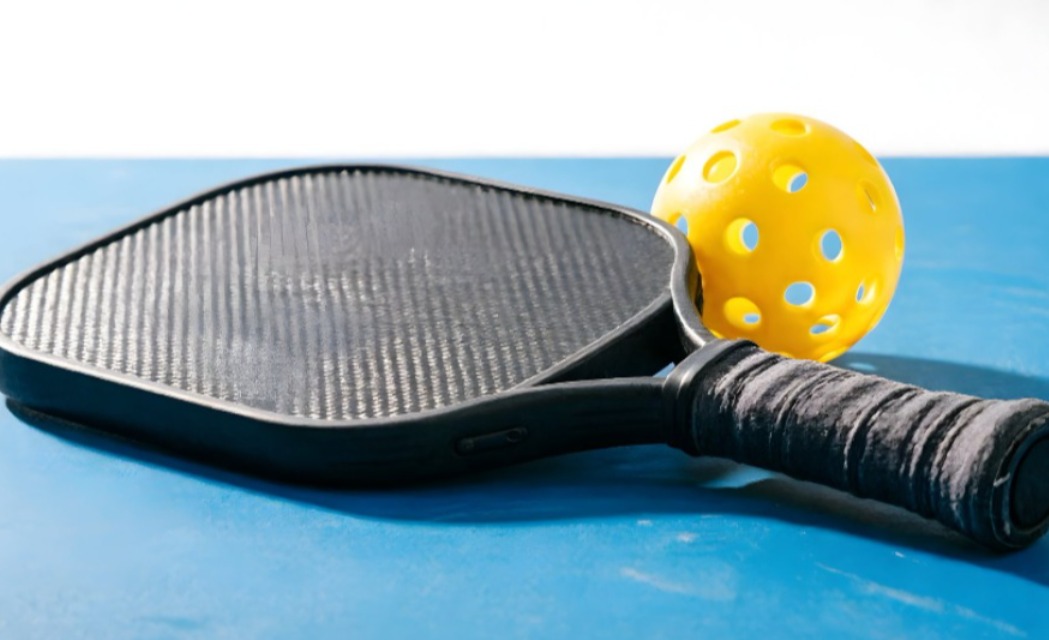
Pickleball equipment can influence control, consistency, comfort, and confidence on the court. As the sport attracts more recreational players, competitive athletes, coaches, and academies in Delhi, equipment selection is becoming more considered. One term players frequently encounter while researching paddles is USAPA approved pickleball paddles.
An approved paddle is not automatically the perfect paddle for every player. Approval primarily indicates that the equipment meets defined requirements for sanctioned competition. Understanding what that means can help players make better choices without relying solely on brand names or marketing claims.
What Does USAPA Approval Mean?
USA Pickleball maintains equipment standards for tournament play. Paddle manufacturers can submit products for testing against applicable specifications.
For a player, this distinction matters particularly when moving from casual games into organised competitions. A paddle that feels comfortable during recreational play may not necessarily satisfy equipment requirements for sanctioned events.
Players preparing for competitive participation should therefore verify the exact paddle model rather than assuming that every product from a recognised manufacturer has the same approval status.
Why Paddle Construction Still Matters
Approval is only one part of choosing equipment. Two approved paddles can feel noticeably different because of variations in:
- Core construction
- Surface material
- Paddle thickness
- Weight
- Shape
- Handle length
- Grip circumference
- Weight distribution
A player who depends heavily on controlled placement may prefer a different configuration from someone who generates points through aggressive drives.
This is why specifications should be considered alongside approval status.
Understanding Surface Materials
Modern paddles use several surface materials, including carbon fiber, fiberglass and Kevlar-based constructions.
Carbon fiber surfaces are popular among players seeking a controlled, responsive feel. Fiberglass surfaces can suit players looking for accessible power and a lively response. Kevlar paddle surfaces have also attracted attention among players interested in durability and distinctive playing characteristics.
Material alone does not determine performance. The core, thickness, shape and overall construction work together to influence how a paddle behaves.
Weight Can Change the Playing Experience
Paddle weight deserves careful consideration.
A lighter paddle can be easier to manoeuvre during quick exchanges near the kitchen line. Players who value fast hands may appreciate this characteristic.
Heavier configurations may provide additional stability and momentum, although they can feel demanding during extended sessions.
Instead of choosing based on a single weight number, consider how the paddle feels through complete playing movements such as serves, drives, blocks, volleys and overheads.
Grip Comfort Is Often Overlooked
An uncomfortable handle can make an otherwise capable paddle difficult to enjoy.
Players should consider grip circumference, handle length and hand size. Those who frequently use two-handed backhands may also look for sufficient handle space.
A suitable grip should allow the paddle to remain secure without requiring unnecessary squeezing. Excessive grip tension can make relaxed, controlled play more difficult.
Who Should Prioritise Approved Equipment?
USAPA approved pickleball paddles are particularly relevant for:
- Tournament-focused players
- Competitive club members
- Coaches recommending equipment to students
- Academies building organised training programmes
- Players planning to enter sanctioned events
- Sports retailers serving competitive customers
Beginners who currently play only recreationally can also consider approved equipment if they want a paddle that remains suitable as their participation develops.
Pickleball Equipment Needs in Delhi
Pickleball participation is growing across urban sports communities, creating greater interest in specialised equipment in Delhi and the wider Delhi region. Players increasingly want to understand specifications instead of buying a paddle simply because it looks professional.
For local academies and coaches, equipment consistency can also matter when training groups with different skill levels.
RBXSports serves the pickleball equipment segment with paddle and ball options for recreational and more experienced players. When evaluating any paddle, however, buyers should match specifications to their playing requirements rather than treating one model as universally suitable.
A Practical Way to Evaluate a Paddle
Before selecting a paddle, ask four questions:
- Will I use it for recreational or sanctioned competitive play?
- Do I need more control, accessible power or a balanced response?
- Which weight and handle dimensions feel comfortable?
- Does the exact model meet the equipment requirements relevant to my competition?
These questions provide a more useful starting point than choosing solely according to appearance or popularity.
The best paddle is ultimately one that fits the player's technique, physical comfort and intended level of competition. USAPA approval can provide an important reference point for competitive eligibility, while thoughtful attention to construction, weight and grip helps determine whether the paddle is actually suitable for the individual player.